
What Makes a Great Endurance Racing Team? Inside WEC and Le Mans Strategy
By
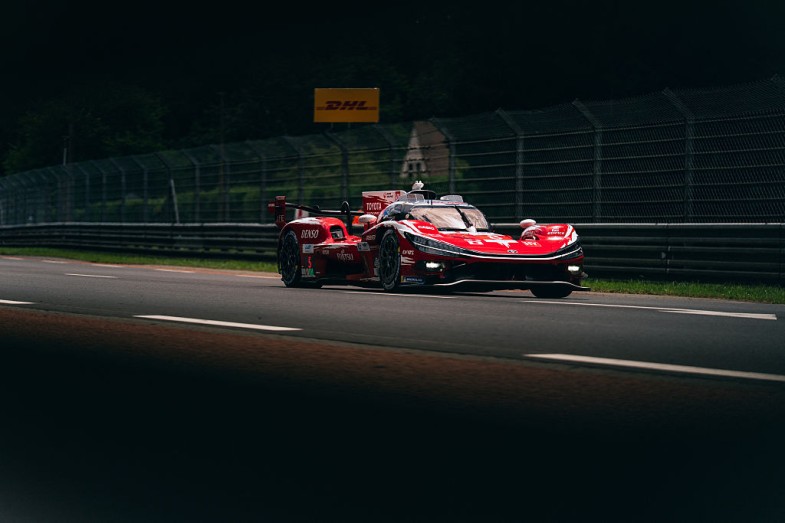
Endurance racing stands as one of motorsport's most complex and demanding formats, where success relies on more than just speed. In championships like the FIA World Endurance Championship (WEC) and events such as the 24 Hours of Le Mans, teams must master endurance, strategy, teamwork, and precision-driven Le Mans racecraft.
Unlike sprint races, endurance racing rewards consistency, reliability, and long-term decision-making. Teams operate across hours of evolving track conditions, making every choice, from tire usage to driver rotation, critical to the final result.
What Sets Endurance Racing Apart
Endurance racing typically spans six to 24 hours, requiring sustained performance under changing conditions. Drivers share cars in rotating stints, making consistency across multiple individuals essential.
Day-to-night transitions, fluctuating temperatures, and unpredictable weather all influence performance. Unlike shorter races, reliability often outweighs outright pace. A slightly slower but dependable car is more likely to finish strong than a faster but fragile competitor.
Strategy Drives Results
Strategy is central to endurance racing success. Teams build detailed race plans but must adapt constantly based on race conditions.
Fuel strategy is one of the most important elements. By conserving fuel and extending stints, teams can reduce pit stops and gain track position. Tire management is equally critical, with WEC endurance tactics often involving double or triple stints to minimize time in the pits.
Pit timing also plays a major role. Pitting during safety car or Full Course Yellow (FCY) periods can significantly reduce time loss. These decisions require real-time analysis and quick execution.
Teamwork at Every Level
Strong teamwork separates winning teams from the rest. Endurance racing depends on coordination between drivers, engineers, and pit crews.
Drivers must maintain a consistent pace while adapting to track conditions and traffic. Communication ensures smooth transitions during driver swaps and consistent performance throughout the race.
Pit crews operate under pressure, where even small errors can cost valuable seconds. Meanwhile, engineers and strategists monitor live data, adjusting plans based on tire wear, fuel usage, and competitor behavior.
Endurance for Drivers and Machines
Endurance racing tests both physical and mechanical limits. Drivers must stay focused for long stints, often in difficult conditions such as night driving.
Fatigue management is essential. Teams plan driver schedules carefully to ensure adequate rest, along with hydration and nutrition strategies to maintain performance.
Cars must also withstand prolonged stress. Components like brakes and engines are pushed to their limits, so teams prioritize durability over peak performance to ensure reliability across the race.
Le Mans Racecraft Explained
Le Mans racecraft refers to the specific skills required to navigate the Circuit de la Sarthe. The track combines long straights with technical sections, demanding a balanced driving approach.
Multi-class racing adds complexity. Faster cars must safely overtake slower classes, requiring awareness and precision. Traffic management becomes a constant challenge throughout the race.
Iconic sections like the Mulsanne Straight and Porsche Curves test both speed and control. At night, reduced visibility increases the difficulty, making experience and discipline crucial.
Key WEC Endurance Tactics
Top teams use a range of WEC endurance tactics to stay competitive. Tire double-stinting reduces pit stops but requires careful wear management.
Hybrid energy deployment in modern Hypercars adds another strategic layer. Teams must balance energy use and recovery to maintain efficiency without sacrificing pace.
Undercut and overcut strategies still apply but unfold over longer periods. Teams must anticipate rivals' moves and adjust accordingly.
Night stints introduce additional challenges, including cooler temperatures and reduced visibility. Experienced drivers are often assigned to these critical periods.
Balance of Performance (BoP) regulations also shape race strategy, forcing teams to maximize efficiency within defined limits.
Technology and Data Advantage
Modern endurance racing relies heavily on data. Telemetry systems provide real-time insights into tire performance, fuel consumption, and vehicle health.
Teams use predictive tools and simulations to evaluate different scenarios during the race. These systems help optimize strategy and reduce risks.
Constant communication between drivers and the pit wall ensures quick adjustments, allowing teams to respond effectively to changing conditions.
Common Mistakes That Cost Races
Small errors can have major consequences in endurance racing. Pit stop mistakes, such as slow tire changes or procedural errors, can erase hard-earned advantages.
Weather misjudgments can disrupt strategy, especially when conditions change rapidly. Tire choices and timing become critical in these situations.
Driver fatigue can also lead to mistakes, particularly during night stints. Managing workload and maintaining focus is essential.
Strategic errors during safety car periods can significantly impact track position, making adaptability a key factor.
Why Balance Defines Endurance Racing Success
Endurance racing success comes down to balance. Teams must combine endurance, strategy, teamwork, Le Mans racecraft, and WEC endurance tactics into a unified approach.
Winning is rarely about being the fastest at any single moment. Instead, it depends on maintaining consistency, minimizing mistakes, and executing a well-planned strategy over time.
In races that stretch across 24 hours, the teams that remain disciplined, adaptable, and precise are the ones most likely to take the checkered flag.
Frequently Asked Questions
1. What is a stint in endurance racing?
A stint refers to the period a driver stays in the car between pit stops, typically limited by fuel, tire wear, or driver regulations.
2. How do teams handle unexpected mechanical issues during a race?
Teams perform rapid diagnostics and repairs during pit stops while adjusting strategy to minimize time loss and stay competitive.
3. Why are night stints considered more difficult?
Reduced visibility, cooler track temperatures, and increased fatigue make night driving more challenging for drivers.
4. How important is track position in endurance racing?
Track position matters, but long-term strategy, consistency, and fewer mistakes often outweigh short-term positional gains.
Read more: NASCAR Star Christopher Bell Suffers Left Wrist Fracture After Michigan Crash, Found Cleared To Race
Copyright @ MOTORTIMES, All rights reserved. Do not reproduce without permission.
TRENDING NOW

BMW iX3 Breaks EV Range Limits After Completing 800km Qinghai Lake Test Without Recharge
By Jose Enrico Coronel


Toyota Beats Ferrari in Dramatic Late Surge at Le Mans 24 Hours Free Practice 2
By Jose Enrico Coronel


Rivian R2 Haptic Halo Controls: Can They Replace Physical Buttons and Volume Knobs?
By Jose Enrico Coronel
GALLERIES


Norton Atlas, GT Debut With 585cc Twin Engine and Advanced Rider Technology
By Jose Enrico Coronel
