
How Much Money Do Top F1 Racers Actually Earn?
By
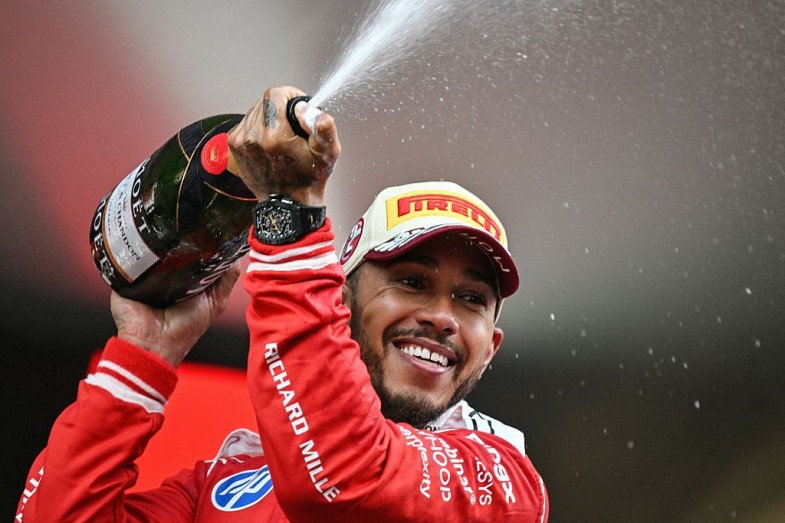
How much money Formula 1 drivers really earn has always fascinated fans, especially as the sport's popularity and global visibility keep climbing.
F1 is synonymous with high-speed racing, cutting-edge technology, and some of the highest athlete paychecks in the world, and that mix creates intense curiosity about actual driver salaries and total earnings.
When looking at F1 driver pay objectively, it quickly becomes clear that the gap between rookies and superstars is huge, and that top F1 income rarely comes from base salary alone.
How F1 Drivers Get Paid
F1 drivers are not paid in a single, simple way. Their compensation usually comes from several streams that reflect both sporting performance and commercial value.
Teams sign drivers on fixed contracts that specify base salaries, performance-related bonuses, and sometimes image-rights arrangements tied to marketing and appearances.
On top of that, drivers often negotiate separate deals with personal sponsors, brands, and partners outside team contracts.
At the core is the base salary a team offers for a season, which reflects the driver's skill, experience, and perceived value. Champions and regular race winners sit at the top of the pay scale, while rookies and backmarkers typically start at the lower end.
Additional earnings can be triggered by podiums, race wins, points thresholds, or championship results, giving drivers strong incentives to perform consistently across a long calendar.
F1 Salaries: From Rookies to Superstars
Within today's grid, F1 driver pay ranges from "well-paid professional athlete" to "global superstar income." Entry-level and less experienced drivers might earn in the low seven figures per season, particularly if they bring sponsor backing or are part of a junior program.
In some cases, a rookie's first contract may be closer to what top drivers in other motorsport series receive, even though they share the same track as some of the highest-paid athletes in the world.
At the other end, multiple world champions and regular race winners typically command eight-figure salaries, reflecting their ability to win races, carry teams, and attract sponsors.
The very top F1 income brackets are often reserved for a small group of elite names whose presence can influence TV viewership, ticket sales, and long-term commercial deals.
For these drivers, annual earnings can reach tens of millions of dollars before any endorsement money is factored in.
Why Some F1 Drivers Earn So Much
Several consistent factors explain why some drivers secure far higher salaries than others.
Sporting performance is the most obvious driver of higher pay: world titles, race wins, and proven speed under pressure all give a driver powerful leverage at the negotiating table.
Teams know that a proven champion can be the difference between mid‑field anonymity and championship contention, and that performance edge gets reflected in contract values.
Commercial impact is just as important. Drivers who are popular with fans, highly marketable, and active on social media often generate additional value for sponsors and race promoters.
A charismatic personality, a strong national fanbase, or a compelling backstory can all help lift top F1 income, as brands prefer to align with figures who help them connect with global audiences.
Experience and leadership inside the team also matter, particularly for drivers who contribute to car development and direction.
Beyond Salary: Bonuses and Performance-Based Earnings
Base salary is only one part of F1 driver pay. Many contracts include performance-related bonuses that significantly boost total earnings when results go well.
Common triggers include race wins, podium finishes, points targets, and championship standings, with some contracts incorporating multi-level bonus structures that reward sustained success.
A driver who consistently finishes at the front can therefore see total pay climb far above the headline salary.
Performance clauses can also reflect team objectives. A team aiming for a specific constructors' championship position may reward drivers for hitting those targets, even if they are not fighting for the drivers' title.
In this way, bonuses align driver incentives with team ambitions and link top F1 income directly to results on track. For mid‑grid drivers, a season of strong performances can make a noticeable difference to annual earnings.
Do F1 Drivers Receive Prize Money Directly?
A common misconception is that F1 drivers receive a direct share of race prize money. In reality, prize money from the championship is paid to the teams, based on the constructors' standings and broader commercial agreements.
Teams then choose how to structure their arrangements with drivers, usually via salaries and bonuses rather than a simple percentage share of prize funds.
Even so, success in the championship still indirectly shapes driver earnings. Teams that finish higher in the standings receive larger payments, which can lead to bigger budgets, better contract offers, and more generous bonus structures in future seasons.
For the stars at the top of the field, championship success reinforces their bargaining power and helps justify the highest tiers of F1 driver pay.
Off-Track Revenue: Sponsorships and Endorsements
When discussing top F1 income, off‑track activities play a crucial role. Many leading drivers sign separate endorsement deals with global brands in sectors like apparel, watches, automotive, tech, and lifestyle products.
These commercial partnerships often involve advertising campaigns, social media content, personal appearances, and licensing agreements, adding a substantial layer of income on top of team salaries.
Some drivers also earn through appearance fees at events, speaking engagements, and collaborations with media or streaming platforms.
Helmet and race-suit branding deals, personal merchandise lines, and digital activations can further contribute to total earnings.
For a handful of F1's biggest names, endorsement income can rival or even exceed on‑track pay, meaning that official salary figures only capture part of their financial picture.
F1 Earnings in the Global Sports Landscape
From a wider sports business perspective, F1 driver pay sits near the top of the global hierarchy. The richest drivers often appear alongside footballers, basketball stars, and golfers in lists of the world's highest‑paid athletes.
The risks in F1 are unusually high, with drivers operating at extreme speeds and managing constant physical and mental demands, which many observers believe justifies a premium level of compensation.
At the same time, the sport's global calendar keeps F1 drivers in front of audiences throughout much of the year. Races span several continents and major time zones, and the championship's media coverage reaches millions of viewers per event.
That combination of risk, visibility, and commercial value helps explain why top F1 income levels compete with — and sometimes surpass — those of stars in more traditional mainstream sports.
Why F1 Driver Pay Keeps Drawing Attention
For anyone tracking F1 salaries and total earnings, a few themes stand out. There is a huge spread between rookies and established champions, with entry-level drivers earning relatively modest sums by F1 standards and title contenders sitting in the very top global income tiers.
Headline salary numbers rarely reflect the full picture, as bonuses, sponsorship deals, and off‑track ventures significantly boost F1 driver pay for the sport's biggest names.
As Formula 1 continues to expand its audience and commercial footprint, the blend of on‑track performance, personal brand value, and long-term partnerships ensures that top F1 income will remain one of the most talked‑about aspects of the championship.
Frequently Asked Questions
1. Do F1 drivers pay for their own travel and accommodation?
Teams usually cover travel and accommodation for race weekends, while drivers may personally pay for private jets, extra guests, or upgraded arrangements depending on their contracts and preferences.
2. Are F1 drivers employees or independent contractors?
Most F1 drivers are contracted to teams as highly paid professionals, often through their own management companies, with terms that can resemble a hybrid of employee and contractor structures.
3. Do F1 drivers get paid during the off-season?
Yes, F1 driver pay is typically structured as an annual salary, so they receive income year-round rather than only on race weekends.
4. Can a driver's salary be reduced mid-contract?
Teams generally cannot unilaterally cut a driver's salary mid-contract without renegotiation; any changes usually require mutual agreement or specific clauses that both sides accepted in advance.
Copyright @ MOTORTIMES, All rights reserved. Do not reproduce without permission.
TRENDING NOW
![[RUMOR] New Tesla Model Y Juniper Refresh Leak Claim to be Coming From Factory](https://d.motortimes.com/en/full/1725128/rumor-new-tesla-model-y-juniper-refresh-leak-claim-coming-factory.webp?w=234&h=132&f=2fe2bb429ec232f7e8f0d9597139c9a0)
Electric Vehicle Longevity Study Shows Tesla Among Top Brands For 250,000-Mile Lifespan
By Jose Enrico Coronel


Koenigsegg One:1 Hypercar Returns to Auction as Ultra-Rare €10M Collector's Icon
By Jose Enrico Coronel

Nissan Z T-Top Revival Project Brings Classic Open-Air Design Back to Modern Sports Cars
By Jose Enrico Coronel


GALLERIES


