
Understanding Different Race Car Classes From F1 and GT3 to Rally and Touring Cars
By
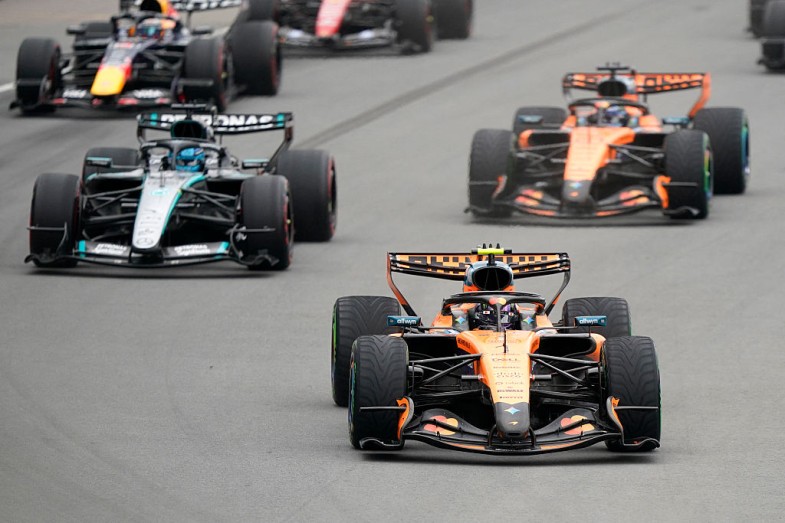
Race car classes can seem confusing when terms like F1, GT3, rally, and touring car racing are used together. Each category follows unique rules and design philosophies, which shape how the cars look, perform, and race.
This short guide highlights the key differences so readers can quickly understand the main types of modern motorsport.
What Are Race Car Classes?
Race car classes are categories that group cars by technical regulations, performance, and type of competition. Rules typically cover engine size, power, aerodynamics, weight, tyres, and safety equipment.
Organizing cars into specific classes keeps competition fair and makes it easier for spectators to understand what they are watching.
Different classes exist because not every race car is built for the same purpose. Some categories showcase pure, unrestricted performance and technology, while others emphasize cost control, close racing, or a strong link to road-going models.
That is why F1, GT3, rally, and touring car racing feel so different even though they all involve fast cars and skilled drivers.
F1: Open-Wheel Technology Showcase
Formula 1 sits at the top of the open-wheel ladder. F1 cars are single-seater, open-wheel prototypes created solely for racing, with no road-going equivalent. Their designs focus on maximum speed and downforce, using advanced hybrid power units and highly refined aerodynamics.
F1 races are held on permanent circuits and temporary street tracks around the world. Events typically last up to two hours and include elements such as tyre strategy, fuel and energy management, and constant in-season car development.
This relentless pursuit of performance makes F1 one of the most technologically advanced race car classes in existence.
Compared to other categories, F1 cars are lighter, more powerful for their weight, and capable of much higher cornering speeds.
They are also the most tightly regulated from a technical standpoint, with detailed rules governing every aspect of the car to keep performance within a controlled window and enhance safety.
GT3: Production-Based Supercars Turned Racers
GT3 represents a more relatable form of performance. These cars start life as high-end sports cars or grand tourers from manufacturers like Ferrari, Porsche, BMW, Mercedes-AMG, and Lamborghini. They are then transformed into race cars with roll cages, racing suspensions, bigger brakes, aero kits, and stripped-out interiors.
Despite the modifications, GT3 cars retain the basic shape and character of their road-going counterparts.
That connection is a big part of GT3's appeal. Many championships use Balance of Performance systems to adjust weight, power, or aerodynamics so different brands can compete on roughly equal terms.
GT3 racing features both sprint and endurance formats, including long-distance races that last 6, 12, or 24 hours. Cars often run with driver aids like ABS and traction control, which supports a mix of professional and amateur drivers sharing the same machinery.
Compared with F1, GT3 cars are heavier and slower, but the variety of manufacturers and the close racing make the category extremely popular.
Touring Car Racing: Everyday Shapes, Hard Racing
Touring car racing uses heavily modified versions of everyday sedans and hatchbacks. The cars look much closer to what people drive on the road, even though they hide full roll cages, uprated engines, stiff suspensions, and serious braking systems underneath.
Series such as BTCC and TCR-based championships showcase this style of racing. The focus is on close, pack racing with lots of overtaking, occasional contact, and short, action-packed races.
Aerodynamics and power are more limited than in GT3, and many series use controlled or spec components to keep costs manageable and performance even.
Because the cars resemble road models and the racing is easy to follow, touring car racing is one of the most accessible race car classes for new fans. It delivers intense on-track battles without requiring deep technical knowledge to enjoy.
Rally: Speed on Real Roads and Rough Surfaces
Rally breaks away from the circuit format entirely. Instead of lapping a closed track, rally crews compete on timed stages laid out on closed public roads or off-road routes.
Surfaces range from smooth tarmac to rough gravel, snow, and ice, often within the same championship.
Rally cars are based on production models but are heavily reinforced and adapted. Long-travel suspension, underbody protection, and strong shells allow them to handle jumps, ruts, and harsh impacts.
Many top-level rally cars use turbocharged engines and advanced all-wheel-drive systems to maintain traction on loose or slippery surfaces.
A co-driver sits alongside the driver, reading pace notes that describe upcoming corners and hazards.
This teamwork is essential because the driver often cannot see far enough ahead at racing speeds. Rally rewards adaptability and car control in changing conditions more than pure lap-time precision.
Key Differences Between F1, GT3, Rally, and Touring
Even at a glance, these race-car classes differ in several core areas:
- Car origin
- F1: Pure racing prototypes with no road version.
- GT3: Production-based supercars and sports cars.
- Touring: Everyday sedans and hatchbacks turned into racers.
- Rally: Road-based cars reinforced for off-road and mixed surfaces.
- Racing environment
- F1, GT3, touring: Paved circuits and defined track layouts.
- Rally: Closed public roads and off-road stages over varied terrain.
- Performance emphasis
- F1: Maximum speed, downforce, and advanced technology.
- GT3: Manufacturer variety, endurance, and balanced performance.
- Touring: Close, contact-heavy racing and cost control.
- Rally: Durability, traction, and versatility in changing conditions.
- Spectator experience
- F1: Global series with high technology and detailed strategy.
- GT3: Multi-brand grids and dramatic endurance battles.
- Touring: Short, intense, door-to-door racing.
- Rally: Stage-based action watched from select viewing points rather than grandstands.
Finding the Right Motorsport to Follow
Choosing which race car class to follow often comes down to personal taste. Fans who enjoy cutting-edge engineering and strategy tend to favor F1. Those who like recognizable, high-performance cars battling for hours at a time gravitate toward GT3.
Viewers who want constant overtaking and compact, aggressive races often prefer touring car racing. Anyone fascinated by car control on gravel, snow, or narrow tarmac roads usually feels at home with rally.
Many modern racing games and sim platforms include detailed versions of F1, GT3, rally, and touring machinery. Trying these categories virtually is a helpful way to understand how each type of car behaves and to decide which style of motorsport is most appealing.
Essential Guide to Modern Race Car Classes
By focusing on the core ideas behind F1, GT3, rally, and touring car racing, it becomes easier to see how each category fits into the wider motorsport landscape.
F1 highlights the extreme edge of performance and technology, GT3 blends road-car roots with serious racing, rally showcases speed on real-world surfaces, and touring car racing delivers intense, relatable competition.
Understanding these differences allows fans to appreciate what they are watching and gives them a clearer path to exploring the race car classes that match their interests.
Frequently Asked Questions
1. Are GT3 cars street legal?
No, GT3 cars are not street legal. They are based on road cars but modified so heavily for safety and performance that they can only be used on tracks.
2. Can the same driver race in F1, GT3, rally, and touring cars?
Yes, some drivers compete in multiple categories, but it is rare at the very top level because each discipline requires different skills, schedules, and contracts.
3. Is touring car racing slower than GT3?
Generally yes. Touring cars have less power and aerodynamics than GT3 cars, so they are usually slower over a lap on the same circuit.
4. Do rally events run in bad weather?
Often they do. Rally stages regularly take place in rain, snow, and fog, which is part of what makes the discipline so demanding.
Copyright @ MOTORTIMES, All rights reserved. Do not reproduce without permission.
TRENDING NOW
![[RUMOR] New Tesla Model Y Juniper Refresh Leak Claim to be Coming From Factory](https://d.motortimes.com/en/full/1725128/rumor-new-tesla-model-y-juniper-refresh-leak-claim-coming-factory.webp?w=234&h=132&f=2fe2bb429ec232f7e8f0d9597139c9a0)
Electric Vehicle Longevity Study Shows Tesla Among Top Brands For 250,000-Mile Lifespan
By Jose Enrico Coronel


Koenigsegg One:1 Hypercar Returns to Auction as Ultra-Rare €10M Collector's Icon
By Jose Enrico Coronel

Nissan Z T-Top Revival Project Brings Classic Open-Air Design Back to Modern Sports Cars
By Jose Enrico Coronel


GALLERIES


