
Paris Motor Show: Interesting Facts About the Oldest Auto Show in the World and Why it Still Matters Today
By
The Paris Motor Show, officially known as the Mondial de l'Auto Paris, is one of the most influential automotive events in global history.
Recognized as the world's oldest auto show, it has played an essential role in setting the trend in the evolution of the automobile industry since the late 19th century.
Paris Motor Show History
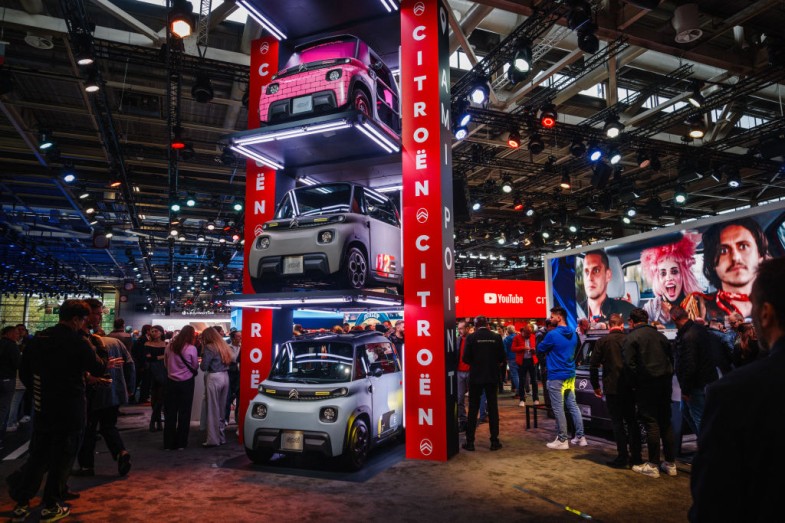
The Paris Motor Show's history dates back to 1898, when it first opened in Paris, France. At that time, the automobile industry was still developing. The exhibition served as a groundbreaking platform for showcasing early vehicle innovations.
Unlike modern automotive expos, the early editions focused on combustion engine prototypes and experimental vehicle designs that would later influence global transportation systems.
Over time, the event expanded from a small European showcase into a major international automotive exhibition.
Today, it is widely referred to as the oldest continuously running auto show in the world, maintaining its legacy for more than a century.
Key Paris Motor Show Facts You Should Know
Several important Paris Motor Show facts highlight its global importance in automotive culture:
- It is one of the oldest active automotive exhibitions in the world.
- The first editions introduced early combustion engine vehicles to the public.
- It has hosted global premieres from luxury and mainstream car manufacturers.
- It is part of the "Big Five" international auto shows.
- It serves as a major platform for concept cars and futuristic vehicle designs.
From these facts, we can discern how the event has consistently remained relevant across different eras of automotive development.
Why the Paris Motor Show Still Matters Today
Despite its historical origins, the Paris Motor Show continues to influence the modern automotive industry. Today, it plays a key role in the introduction of the following areas:
- Electric vehicles (EVs)
- Hybrid technologies
- Autonomous driving systems
- Sustainable mobility solutions
Automakers use the event not only for global exposure but also to align with shifting consumer demand and industry innovation.
Now that the world is embracing electrification, the Paris Motor Show won't lag when it comes to automotive innovation. Instead, it is expected to set future mobility trends here on out.
What Makes the Paris Motor Show Unique
The Paris Motor Show stands out because it combines deep automotive heritage with forward-looking innovation.
Unlike newer exhibitions, it carries historical significance while continuing to showcase the latest breakthroughs in vehicle design and engineering.
Its uniqueness comes from:
- High-profile concept car unveilings
- Luxury vehicle premieres
- Strong global media coverage
- Participation from both legacy automakers and new startups
Paris Motor Show Common Questions
What is the Paris Motor Show famous for?
- The Paris Motor Show is famous for being one of the oldest auto shows in the world and for hosting major global car premieres and automotive innovations.
When did the Paris Motor Show start?
- It began in 1898 in Paris, France, making it one of the earliest automotive exhibitions ever organized.
Is the Paris Motor Show the oldest auto show in the world?
- Yes. It is widely recognized as the oldest continuously running auto show in the world.
What cars are shown at the Paris Motor Show?
- The event features concept cars, electric vehicles, luxury models, prototypes, and production-ready vehicles from global manufacturers.
Paris Motor Show Legacy in the Automotive Industry
The legacy of the Paris Motor Show continues to influence both industry direction and consumer interest.
For the next years or even decades, it will remain a central platform for showcasing the future of transportation. It's all thanks to its initiative of connecting its historic origins with modern automotive innovation.
Related Article: Honda Passport TrailSport Update Brings Off-Road Boost While Accord Gets Major Redesign
Copyright @ MOTORTIMES, All rights reserved. Do not reproduce without permission.
TRENDING NOW
![[RUMOR] New Tesla Model Y Juniper Refresh Leak Claim to be Coming From Factory](https://d.motortimes.com/en/full/1725128/rumor-new-tesla-model-y-juniper-refresh-leak-claim-coming-factory.webp?w=234&h=132&f=2fe2bb429ec232f7e8f0d9597139c9a0)
Electric Vehicle Longevity Study Shows Tesla Among Top Brands For 250,000-Mile Lifespan
By Jose Enrico Coronel


Koenigsegg One:1 Hypercar Returns to Auction as Ultra-Rare €10M Collector's Icon
By Jose Enrico Coronel

Nissan Z T-Top Revival Project Brings Classic Open-Air Design Back to Modern Sports Cars
By Jose Enrico Coronel


GALLERIES


