
6 Best SUVs for Growing Families From Gas to Hybrid, and EV
By
SUVs have become the default choice for many growing families thanks to their blend of space, comfort, and safety-focused tech. In today's market, they also come with a wider range of powertrains than ever before, from traditional gas to fuel‑saving hybrids and fully electric EVs.
This family SUV guide highlights the key factors that matter most and showcases six specific SUVs that work well for different types of families.
Why SUVs Work So Well for Families
For households juggling school runs, commuting, weekend sports, and road trips, SUVs offer a practical mix of passenger space and cargo room.
Higher ride height improves outward visibility, which can help drivers feel more confident in traffic and on unfamiliar roads.
Most modern SUVs also integrate driver‑assistance systems, child‑seat‑friendly layouts, and flexible seating that lets owners switch quickly between hauling kids and hauling gear.
Families also appreciate how SUVs can adapt to different life stages. A compact two‑row model might work well for a couple with one child, while a larger three‑row SUV makes more sense as the family grows or when grandparents frequently come along.
With choices spanning gas, hybrid, and EV powertrains, families can prioritize lower upfront cost, better fuel economy, or reduced tailpipe emissions without giving up core practicality.
What to Look for in a Family SUV
A useful family SUV guide starts with the real‑world details that impact everyday life. Space and seating come first: wide‑opening rear doors, enough legroom for growing kids, and the ability to fit multiple child seats without a struggle.
Sliding second‑row seats, a flat floor, and easy mechanisms for accessing a third row can make school runs and carpools smoother.
Safety sits close behind. Families tend to favor SUVs with strong crash‑test scores, multiple airbags, and active safety tech such as automatic emergency braking, blind‑spot monitoring, rear cross‑traffic alerts, and lane‑keeping assistance.
Reliability, warranty coverage, and expected maintenance costs also matter when planning to keep a vehicle for many years.
Comfort and technology round out the checklist. Features like tri‑zone climate control, plenty of USB ports, and intuitive infotainment systems can turn long drives into calmer experiences. Quiet cabins, supportive seats, and a composed ride often matter more to parents than raw horsepower.
Gas SUVs for Growing Families
1. Kia Telluride (Gas, 3‑Row)
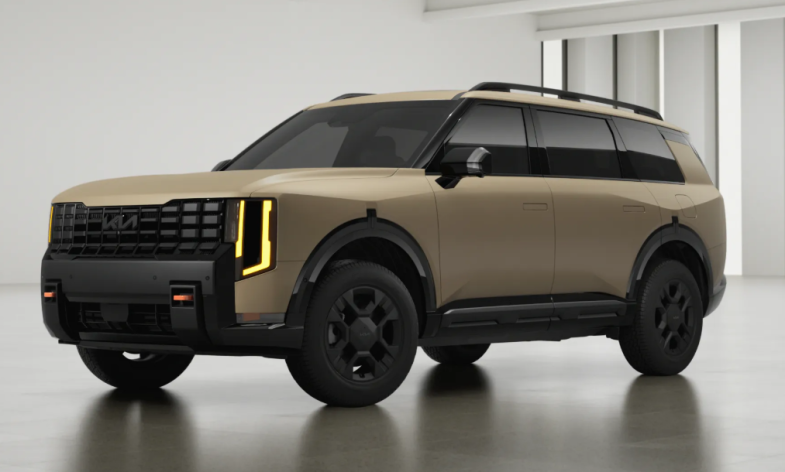
The Kia Telluride has become a go‑to choice for families who want a spacious three‑row SUV without paying luxury‑brand prices. It seats up to eight, offers a comfortable ride, and includes a long list of standard safety features.
A roomy second row, usable third row, and generous cargo space make it well suited to strollers, sports equipment, and luggage.
Its traditional gas V6 powertrain keeps fueling simple and familiar while delivering smooth highway performance. For families who prioritize space, comfort, and a familiar driving experience, the Telluride is an easy model to keep on the shortlist.
2. Hyundai Palisade (Gas, 3‑Row)
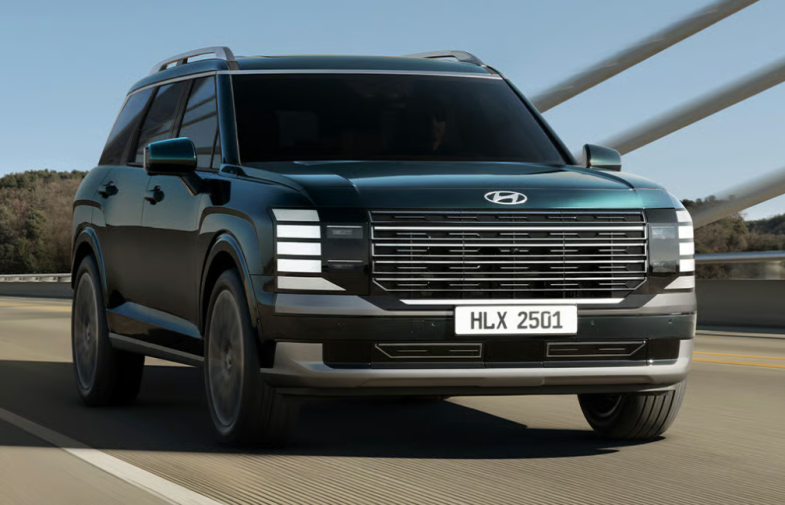
The Hyundai Palisade offers similar practicality to the Telluride with a slightly more upscale cabin feel.
It provides three rows of seating, supportive chairs, and a quiet, well‑finished interior that works nicely for long drives with kids. The design leans toward a near‑luxury look without the matching price tag.
A gas V6 delivers confident acceleration and towing capability, which is useful for family road trips and weekend adventures.
Parents often appreciate the Palisade's user‑friendly infotainment system and broad suite of driver‑assistance features that support safety‑minded driving.
Hybrid SUVs: The Efficiency Sweet Spot
3. Honda CR‑V Hybrid (Hybrid, 2‑Row)
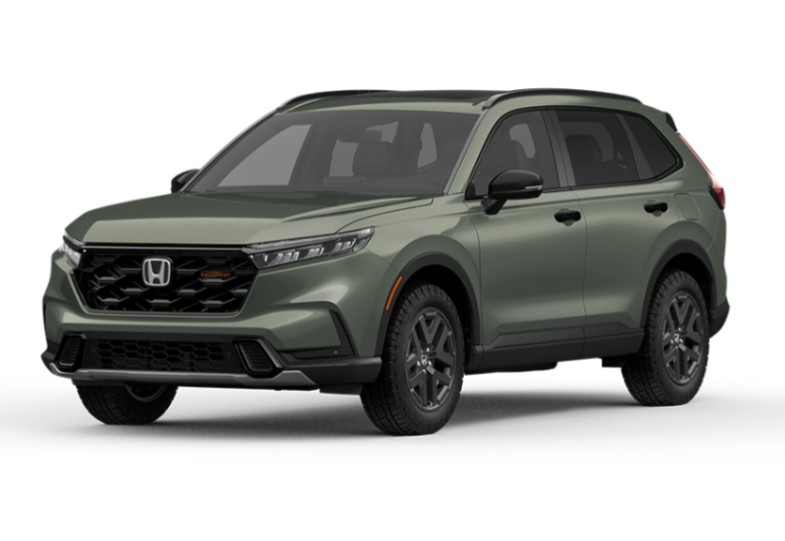
The Honda CR‑V Hybrid is a strong fit for smaller families who want an efficient two‑row SUV with plenty of usable space.
It pairs a hybrid powertrain with a roomy interior, good rear legroom, and a generous cargo area. Its manageable size makes it easy to park and maneuver in urban environments while still feeling spacious inside.
The hybrid system delivers notably better fuel economy than a comparable gas‑only compact SUV, especially in city and suburban driving.
Standard advanced safety and driver‑assistance technology on most trims lines up well with family priorities and adds value over years of ownership.
4. Toyota Grand Highlander Hybrid (Hybrid, 3‑Row)
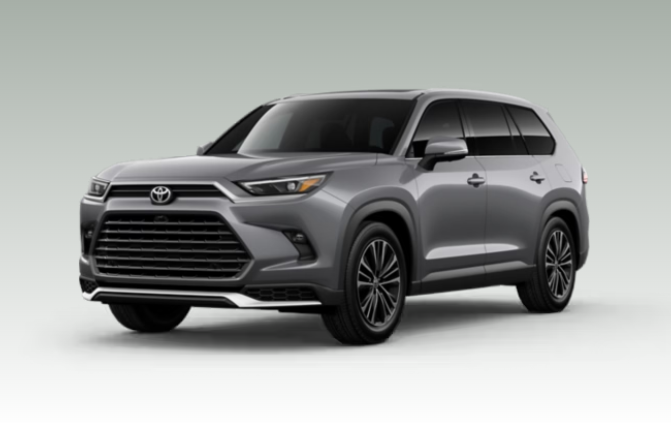
The Toyota Grand Highlander Hybrid is designed for families who need three rows but also want to keep fuel use under control.
It offers a large, family‑friendly cabin with a more accommodating third row than many rivals and practical cargo space, even with all seats in use. This makes it a good match for families with older kids or frequent extra passengers.
Its hybrid powertrain cuts fuel consumption compared with similar gas‑only three‑row SUVs, which can matter for high‑mileage households.
Toyota's robust safety suite and reputation for durability give buyers added confidence when using the vehicle as a primary family hauler.
EV SUVs: Quiet and Future‑Focused
5. Hyundai Ioniq 5 (EV, 2‑Row)
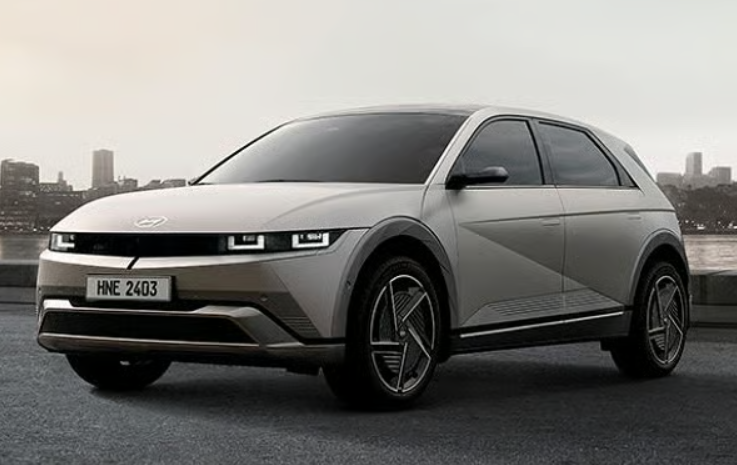
The Hyundai Ioniq 5 is a compact‑to‑midsize electric SUV suited to families who do not need a third row but want standout efficiency and tech.
A long wheelbase and flat floor create impressive rear legroom and make child‑seat installation easier. Despite its manageable exterior size, the interior feels closer to a midsize SUV.
As an EV, it offers quick, smooth acceleration and very quiet operation. Competitive range and fast‑charging capability mean it can handle school runs, commutes, and weekend trips, especially for families that can rely on home charging day to day.
6. Kia EV9 (EV, 3‑Row)
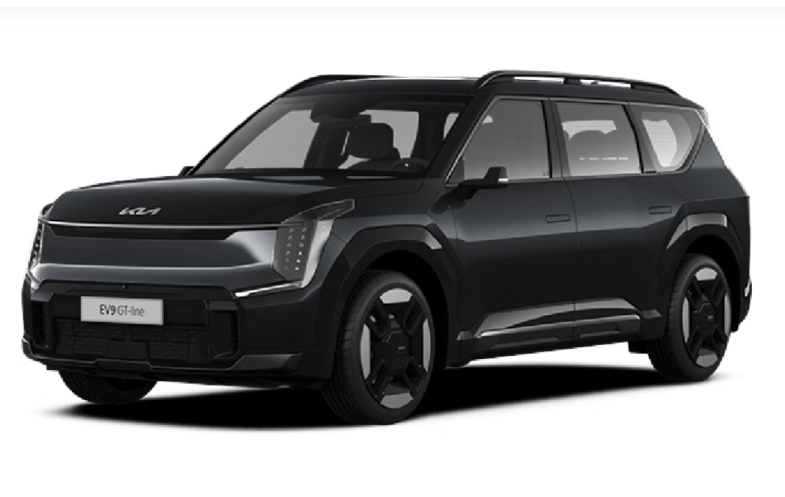
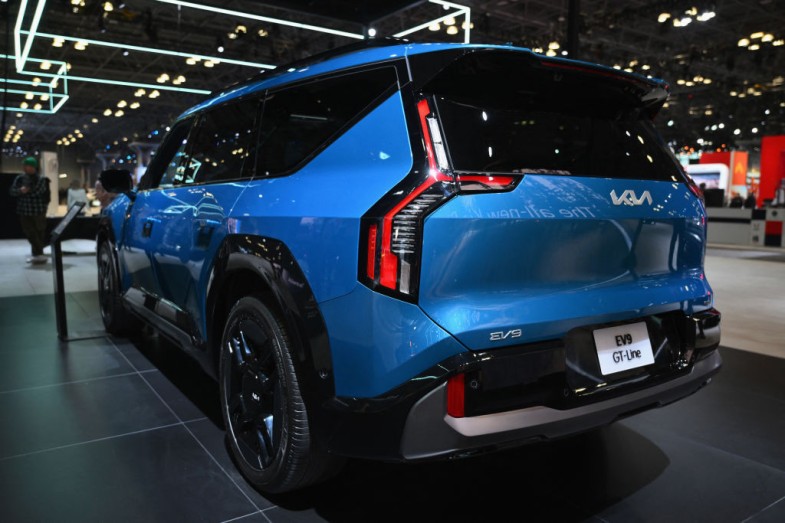
The Kia EV9 is one of the few three‑row electric SUVs built with families in mind from the start.
It features a spacious cabin, available captain's chairs, and a usable third row alongside cargo space for family gear. The interior layout emphasizes flexibility for car seats, older kids, and adult passengers alike.
Its electric powertrain delivers strong performance and no tailpipe emissions, while home charging can significantly cut running costs relative to a similarly sized gas SUV.
For families who want three‑row practicality and a forward‑looking EV experience, the EV9 demonstrates how electric SUVs can now serve as primary family vehicles, not just secondary city runabouts.
Smart Next Steps for Choosing an SUV for Families
Drivers who understand how SUVs, families, and modern powertrains fit together are better prepared to make confident decisions.
A thoughtful family SUV guide focuses on how gas, hybrid, and EV options align with everyday routines, budgets, and long‑term plans.
By prioritizing space, safety, comfort, and realistic running costs, families can zero in on gas SUVs for maximum flexibility, hybrid SUVs for a balanced mix of efficiency and familiarity, or EV SUVs for a quieter, future‑focused drive that still keeps everyone comfortable and secure.
Frequently Asked Questions
1. Are two-row SUVs enough for a growing family?
For many families with one or two children, a two-row SUV offers sufficient space, easier parking, and better efficiency than larger three-row models. As kids grow or if relatives ride along often, moving to a three-row SUV becomes more practical.
2. How important is all-wheel drive in a family SUV?
All-wheel drive is most useful for families who regularly face rain, snow, dirt roads, or steep driveways. In mild climates with mostly city driving, front-wheel drive can be enough and may save money on purchase price and fuel.
3. Do EV SUVs require more maintenance than gas SUVs?
EV SUVs usually need less routine maintenance because they have fewer moving parts and no oil changes. Families still need to maintain tires, brakes, and cabin filters on a regular schedule.
4. Is it worth paying more for a higher trim on a family SUV?
Higher trims are often worth it if they bundle advanced safety tech, extra seats, or features families use daily, like extra USB ports or a power tailgate. Paying more mainly for cosmetic upgrades is less impactful for family use.
Copyright @ MOTORTIMES, All rights reserved. Do not reproduce without permission.
TRENDING NOW
![[RUMOR] New Tesla Model Y Juniper Refresh Leak Claim to be Coming From Factory](https://d.motortimes.com/en/full/1725128/rumor-new-tesla-model-y-juniper-refresh-leak-claim-coming-factory.webp?w=234&h=132&f=2fe2bb429ec232f7e8f0d9597139c9a0)
Electric Vehicle Longevity Study Shows Tesla Among Top Brands For 250,000-Mile Lifespan
By Jose Enrico Coronel


Koenigsegg One:1 Hypercar Returns to Auction as Ultra-Rare €10M Collector's Icon
By Jose Enrico Coronel

Nissan Z T-Top Revival Project Brings Classic Open-Air Design Back to Modern Sports Cars
By Jose Enrico Coronel


GALLERIES


