
Electric Vehicles in Snowstorms: Battery Range, Charging Challenges, and Winter Safety
By
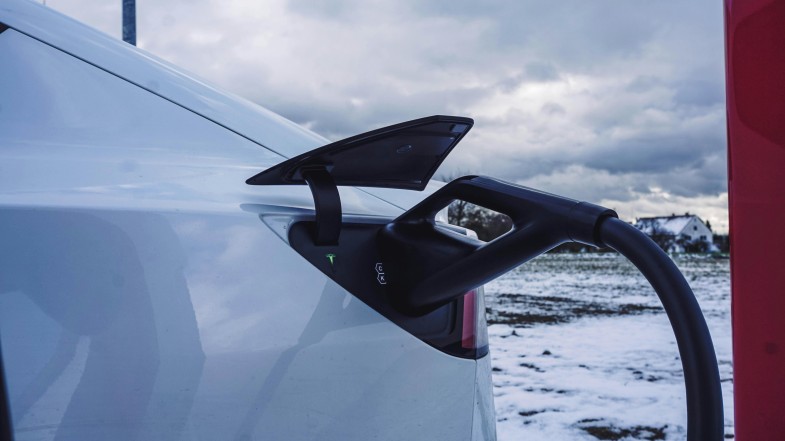
Electric vehicles are no longer rare sights during winter storms, but cold weather still tests their limits. Snow, wind, and freezing temperatures interact directly with battery chemistry, charging speeds, and driving behavior. Understanding how EVs respond to winter conditions helps drivers avoid surprises when roads turn icy and power demand rises.
Cold snaps like those seen in early 2026 highlight the need for realistic expectations. Range drops, slower charging, and higher energy use are common, yet many issues are manageable with preparation. Knowing what changes—and why—can turn winter EV driving from stressful to predictable.
EV Winter Storm Range and Electric Car Cold Weather Battery Performance
EV winter storm range drops primarily because cold slows lithium-ion battery reactions. When temperatures fall below freezing, internal resistance increases, reducing how much energy the battery can deliver efficiently. This leads to noticeable range loss, especially during highway driving or strong wind conditions.
Electric car cold weather battery systems attempt to compensate using thermal management. Battery heaters and heat pumps warm cells to safer operating temperatures, restoring some lost efficiency. Vehicles equipped with heat pumps experience less range drain because they use ambient heat instead of drawing solely from the battery for cabin warmth.
EV Charging Snowstorm Challenges During Extreme Cold
Charging an electric vehicle during a snowstorm requires more patience and planning than in mild weather. Freezing temperatures affect both battery chemistry and charging equipment, often slowing the entire process. Understanding these challenges helps drivers avoid unexpected delays during winter travel.
- Reduced charging speeds: Cold batteries cannot accept high power safely, so fast chargers automatically lower output to protect battery cells. A quick stop in warm weather can turn into a much longer session in freezing conditions.
- Battery temperature limits: When battery packs are near or below 0°C, charging systems restrict current to prevent damage. This safety feature prioritizes battery longevity over speed.
- Snow- and ice-covered stations: Frozen connectors, buried plugs, and snow-packed parking areas increase downtime and frustration. Clearing snow and checking station access becomes part of winter charging.
- Preconditioning benefits: Warming the battery before arriving at a charger significantly improves charging rates. Built-in navigation systems often trigger this automatically when a charger is set as the destination.
- Sheltered charging advantages: Covered or indoor stations protect equipment from ice buildup and wind chill. These locations tend to deliver more consistent charging during severe winter storms.
Winter Driving EV Safety, Handling, and Preparation
Winter driving EV behavior is often more controlled than many drivers expect. Battery placement lowers the vehicle's center of gravity, improving stability on snow-covered roads. With the right setup, EVs can feel confident even in icy conditions.
- Improved traction and balance: The weight of the battery pack helps keep tires planted, reducing the risk of skidding. All-wheel-drive EVs deliver precise torque control to each wheel on slippery surfaces.
- Regenerative braking control: When used gently, regenerative braking slows the vehicle smoothly without sudden wheel lock. Many EVs reduce regen automatically in snow to maintain stability.
- Winter tires matter most: Dedicated winter tires dramatically improve braking, steering, and traction compared to all-season tires. They remain the single biggest safety upgrade for winter driving.
- Snow and traction modes: Many EVs include software-based driving modes that adjust throttle response and traction control. These settings help maintain control during acceleration and cornering.
- Cold-weather preparation: Preconditioning the battery, checking tire pressure, and monitoring forecasts all improve winter readiness. Small habits make EV winter driving safer and more predictable.
Winter EV Readiness: Driving Smart When Storms Hit
Managing EV winter storm range, electric car cold weather battery behavior, EV charging snowstorm delays, and winter driving EV safety comes down to preparation and awareness. Cold temperatures affect range, charging speed, and energy use, but none of these changes are unpredictable. Preconditioning the battery, planning charging stops, and allowing extra time reduce stress during severe weather. Winter tires, sheltered charging stations, and updated software further improve reliability. These steps help drivers stay confident even when snowstorms disrupt normal travel patterns.
Winter conditions demand planning, not fear. Electric vehicles respond well to cold when drivers adjust habits to match the environment. Slower charging, reduced range, and slick roads are manageable with the right expectations and tools. With smart preparation, EVs remain dependable transportation when temperatures plunge and winter storms take hold.
Frequently Asked Questions
1. Do electric vehicles lose range in winter storms?
Yes, EVs experience range loss in cold weather due to slower battery chemistry. Heating systems and snow-covered roads increase energy use. Range loss varies depending on driving style and preparation. Preconditioning helps reduce the impact.
2. Can EVs charge during a snowstorm?
They can, but charging may be slower. Cold batteries limit how much power fast chargers can deliver safely. Preheating the battery before arrival improves charging speed. Covered stations also reduce weather-related problems.
3. Are EVs safe to drive in snow and ice?
EVs perform very well in winter when properly equipped. Low center of gravity improves stability, and AWD systems enhance traction. Winter tires are essential for braking and control. Driving habits still matter most.
4. How can I protect my EV battery in extreme cold?
Precondition the battery while plugged in before driving. Avoid deep discharges in freezing temperatures. Park in sheltered areas when possible. These steps help maintain battery health and winter efficiency.
Originally published on Tech Times
ⓒ 2026 TECHTIMES.com All rights reserved. Do not reproduce without permission.
TRENDING NOW


GALLERIES


