
V2G Technology: How EV Energy Storage Utilizes Smart Grid and Renewable Energy Integration
By
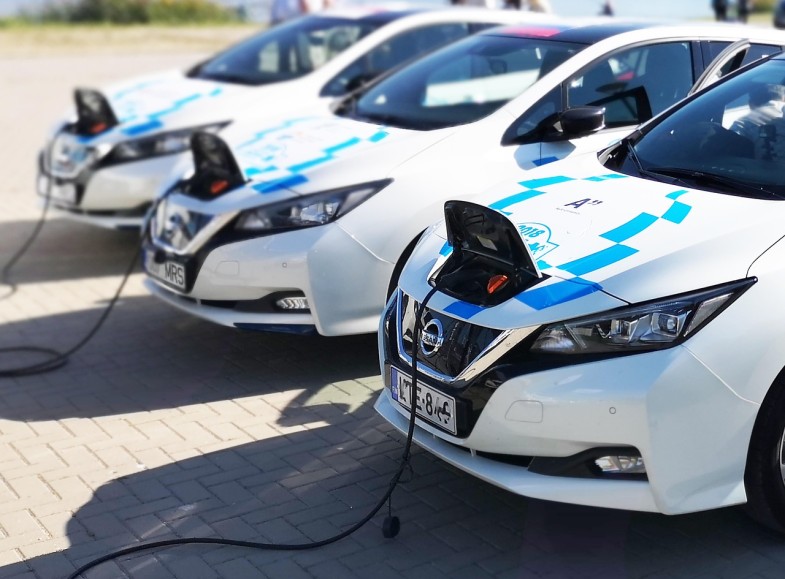
V2G technology is redefining how people think about renewable energy integration and electric vehicles, turning parked cars into active players in the energy system. As EV adoption rises, the idea that cars could help power homes and cities is quickly moving from theory to real-world trials and pilot projects.
From Cars to Power Plants
In conventional thinking, a vehicle is simply a mode of transport that consumes energy and sits idle most of the time. With the rise of electric cars and digital energy systems, those idle hours now represent a huge, distributed energy resource waiting to be tapped. V2G technology enables EV energy storage to serve as a flexible asset that supports the smart grid and enables deeper renewable energy integration.
What is Vehicle-to-Grid (V2G) Technology?
Vehicle-to-grid technology is a system in which electric vehicles can both draw power from the grid and send stored electricity back to the grid when needed. Instead of power flowing in only one direction, from the grid to the car, V2G enables bidirectional energy and data flows between EVs, charging equipment, and grid operators. In this way, each EV effectively becomes a mobile battery that can help balance supply and demand across the power system.
V2G differs from basic smart charging, which only shifts charging to cheaper or cleaner periods without feeding energy back. Smart charging is already standard in many markets, but full V2G requires compatible hardware, communication protocols, and market rules that allow EV owners to be compensated for exporting power.
How Does V2G Work in Simple Terms?
At a high level, V2G technology relies on three key elements: a bidirectional charger, a V2G-capable vehicle, and a control platform that coordinates charging and discharging. When an EV is plugged in, the system communicates with the grid or an aggregator to determine the best times to charge the battery and the right moments to discharge back into the grid. This decision is based on factors such as electricity prices, grid demand, renewable generation levels, and the driver's mobility needs.
When the grid is under stress, such as during evening peaks or unexpected outages, the platform can draw small amounts of power from thousands of parked EVs. The driver's required state of charge is usually set in advance, ensuring that the vehicle has enough energy for planned trips while still contributing to grid stability.
Can an Electric Car Power a House?
One of the most compelling applications of V2G technology is using an EV to power a home, also known as vehicle-to-home (V2H). In a V2H setup, the EV acts as a backup battery, supplying power to a household during outages or periods of high electricity prices. This is particularly attractive in regions prone to extreme weather events, where resilience and self-sufficiency are increasingly important.
Homeowners can also combine V2H with time-of-use tariffs, charging their EV when electricity is cheap or when rooftop solar output is high, then discharging to run household loads when grid prices spike. In effect, the EV energy storage system turns into part of the home's energy management strategy, complementing or even replacing a dedicated home battery.
Can Electric Cars Power the Grid?
When scaled beyond individual homes, aggregated EVs can support entire neighborhoods, districts, or cities. Fleets of delivery vans, buses, corporate cars, or residential EVs can be controlled together to provide grid services such as peak shaving, frequency regulation, and reserve capacity. Instead of building new fossil-fuel peaker plants, utilities can call on distributed EV energy storage during critical hours, reducing costs and emissions.
In dense urban areas, V2G can play a major role in smoothing out demand spikes caused by air conditioning, heating, or commercial loads. As city authorities push for the electrification of transport and heating, EVs with V2G capability become an integral part of maintaining a reliable and affordable electricity supply.
What Is a Smart Grid and Why Does V2G Need It?
A smart grid is an electricity network that uses digital communication and automation to monitor and manage the flow of power in real time. It integrates sensors, smart meters, connected devices, and advanced control systems to respond more flexibly to changing conditions across the grid. Unlike traditional grids, smart grids are designed for two-way flows of both electricity and information.
V2G technology depends on this smart grid infrastructure to function effectively. Real-time data about demand, supply, and network constraints is essential for deciding when to charge EVs and when to discharge them. Without a smart grid, coordinating thousands of vehicles as a single, reliable resource would be much more difficult, and the full potential of EV energy storage would remain untapped.
Can V2G Make Renewable Energy More Reliable?
By smoothing out the gap between when renewable electricity is produced and when it is consumed, V2G can make renewable energy more predictable from the grid's perspective. This, in turn, supports higher levels of renewable energy integration without compromising reliability. Over time, V2G could help reduce reliance on gas-fired peaker plants and other carbon-intensive backup options.
For policymakers and regulators, V2G therefore represents a way to accelerate decarbonization while minimizing infrastructure costs. The existing vehicle fleet becomes part of the solution, turning mobility into a tool for managing the energy transition rather than a barrier.
Key Components of V2G Systems
A functioning V2G ecosystem depends on several technical and organizational components working together. On the hardware side, compatible EVs and bidirectional chargers are essential. Some vehicles include onboard inverters that support direct AC export, while others rely on DC fast chargers with bidirectional capability to interface with the grid. Standards and certifications help ensure interoperability and safety across different makes and models.
On the software and market side, aggregators and utilities play a central role. Aggregators bundle many EVs into a virtual power plant and trade their combined flexibility in energy and ancillary service markets. Behind the scenes, sophisticated algorithms decide exactly how much each EV should charge or discharge, respecting user preferences and ensuring that the vehicle is ready when needed.
Frequently Asked Questions
1. Can drivers control when their EV participates in V2G?
Yes, most V2G programs are designed so drivers can set preferences and limits through an app or web portal. Typical controls include choosing participation hours, setting a minimum state of charge, and opting in or out of specific V2G services such as grid support or backup power.
This ensures that mobility needs remain the priority while still allowing the vehicle to participate as an energy resource.
2. Is V2G possible if someone lives in an apartment or shared parking building?
V2G can work in multi-unit buildings, but it depends on the building's electrical infrastructure and the type of chargers installed. In many cases, a building or parking operator would need to install shared bidirectional chargers and manage billing and revenue distribution among residents.
As V2G matures, more solutions are emerging that allow property managers or homeowner associations to participate on behalf of multiple EV owners.
3. How does V2G interact with home solar and battery systems?
In a home that already has rooftop solar and a stationary battery, V2G can act as an additional flexible storage layer. The home energy management system can prioritize the stationary battery for daily cycling while using the EV battery mainly for peak events, outages, or high-value grid services.
When configured well, this combination can reduce energy bills further and increase self-consumption of solar without sacrificing vehicle availability.
4. Are there specific types of EV owners who benefit most from V2G?
Owners who regularly park their vehicles for long, predictable periods tend to benefit the most from V2G participation. Examples include commuters who leave cars plugged in at home overnight, fleet vehicles that return to a depot each evening, or workplace-charging users with predictable daytime parking.
The more consistent the parking and plug-in behavior, the easier it is for V2G systems to provide grid services without inconveniencing the driver.
Originally published on Science Times
© 2026 ScienceTimes.com All rights reserved. Do not reproduce without permission. The window to the world of Science Times.
TRENDING NOW


